Home Fire Safety for Woodturners
A woodturner’s shop sits inside a home. Fire detection, extinguisher limits, and burn care matter as much as tool control.
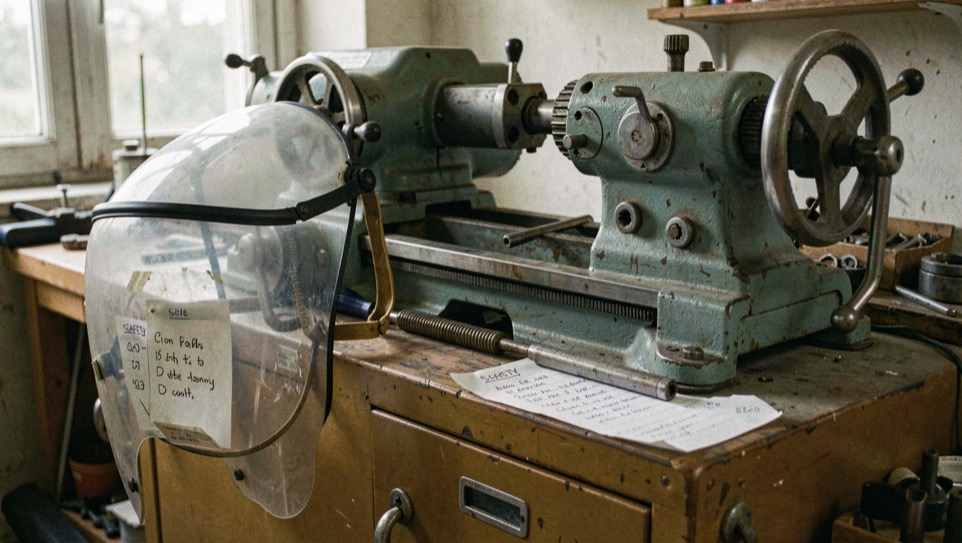
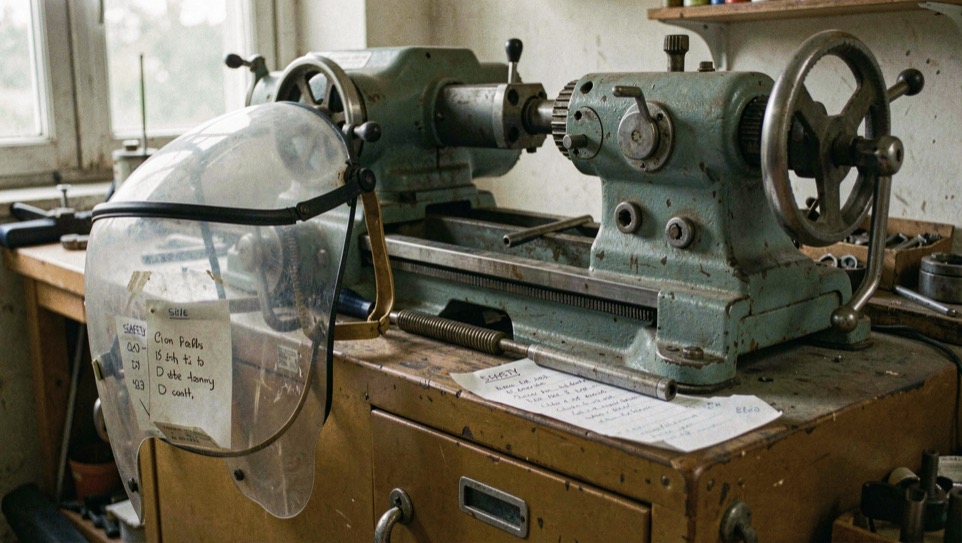
A home workshop fire usually starts small and unnoticed: a pile of shavings under the lathe, a dull gouge heating a spindle, a rag with oil left on a bench. The first defense is not a tool but a working detector and a clear exit. Woodturners who treat the shop as part of the house, not a separate zone, catch most of these events before they grow.
Why does a woodturning shop need its own fire plan?
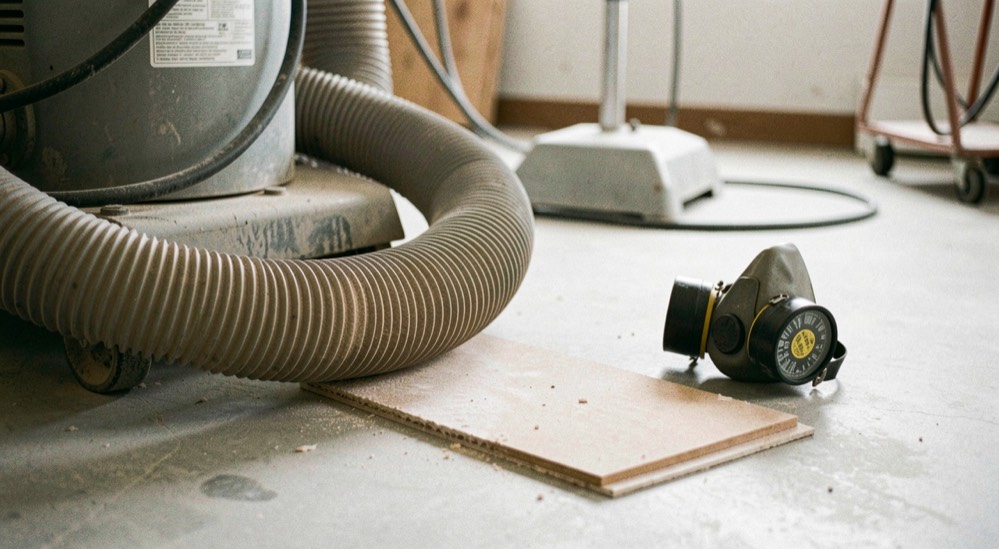
Shavings, dust, and finishing supplies change the fire risk of a room. Fine dust ignites faster than a solid block, and a shop vac full of mixed dust can smolder for hours after the lathe stops. A home fire watch starts with knowing what burns in each zone of the house, then placing detection where the risk actually sits.
A shop in a garage, basement, or spare room shares walls and air with living space. Smoke and carbon monoxide travel through the same gaps as heat and cold. That means a detector in the hallway does not cover the shop, and a detector in the shop does not cover the bedrooms. Each zone needs its own coverage, tested on a schedule that matches how often the shop runs.
The practical setup for a small shop: one smoke detector on the ceiling above the work area, one heat alarm if the space is dusty or unheated, and a carbon monoxide detector if any fuel-burning equipment shares the room. The site The Home Fire Watch covers placement rules for each of these, including the garage, attic, and furnace room cases that most home guides skip. A turner who reads it once can map the whole house in an afternoon.
What do smoke and heat detectors actually cover?
Smoke detectors respond to particles in the air. In a shop, that is both the strength and the weakness: fine sanding dust can trigger nuisance alarms, and a person who silences the alarm repeatedly may stop noticing it. Heat alarms respond to temperature rise instead, which makes them a better fit for dusty garages and attics where smoke detection gives false alarms.
Carbon monoxide is a separate problem. It has no smell and no color, and it comes from combustion, not from wood dust. A propane heater, a gas furnace, or a generator running near the shop door can produce it. Symptoms in the early stage look like flu: headache, nausea, fatigue, confusion. The fix is detection plus ventilation, not a guess about whether the room feels stuffy.
Testing matters more than the model. A detector with a dead battery is a plastic disc. Monthly button tests and yearly replacement of batteries cover most failures, and detectors themselves have a service life printed on the back. A turner who writes the install date on the housing with a marker avoids the common trap of a unit that is ten years old and quietly past its limit.
Which extinguisher belongs in a workshop?
An extinguisher is for a fire that is small, contained, and behind you on the way out. It is not for a fire that has reached the ceiling, the dust collector, or a solvent shelf. The standard advice holds: if the fire is taller than a person or spreading faster than a walk, leave and call for help.
For a woodshop, a multipurpose unit rated for ordinary combustibles, flammable liquids, and electrical equipment covers the common cases. Water is wrong for a finish or solvent fire and wrong near live wiring. A pan of burning oil on a bench is a flammable liquid fire, not a wood fire, even though the shop is full of wood.
Placement follows the exit path, not the lathe. An extinguisher stored behind the workbench is unreachable when the bench is burning. Mount it near the door, on the way out, and check the gauge monthly. A unit that has lost pressure or has a broken seal should be replaced or serviced, not kept as decoration.
What should a turner do in the first ten minutes after a burn?
Burns happen in a shop for ordinary reasons: a hot shaving curl, a friction-polished surface, a glue pot, a torch. The first ten minutes decide how the injury develops. Cool running water for several minutes limits damage in the tissue below the surface. Ice and butter and ointments do not, and ice can add a cold injury on top of a burn.
Remove rings and tight clothing near the burn before swelling starts. Cover the area loosely with a clean, non-stick dressing. Do not break blisters. A burn that is larger than the person’s palm, on the face, hands, feet, or joints, or that looks white or charred needs medical care, not a home remedy.
Electrical burns and chemical burns follow different rules. A chemical burn needs prolonged flushing and the safety data sheet for the product. An electrical burn can hide internal damage even when the skin looks minor. Both cases belong in a clinic, and the shop should have the address and the route written down before anyone needs it.
How does a household evacuation plan change with a shop?
A family plan assumes everyone leaves by the same route. A shop changes that assumption because the shop door may be the nearest exit for one person and blocked for another. The plan should name two ways out of every room, including the shop, and a meeting point outside that is far enough to be clear of smoke and arriving equipment.
For upstairs rooms, an escape ladder is the backup when the stairs are blocked. It needs to be stored where it can be reached without crossing the fire, and every adult in the house should have used it once, in daylight, from a window that actually opens. A ladder still in its box is a plan, not a tool.
Medications and daily care items belong in the plan too. A person who leaves without insulin, inhalers, or a child’s medication has a second emergency on top of the first. A small go-bag kept near the exit, checked twice a year, covers that gap without much effort.
What do renters and families need to check?
A renter cannot remodel the house, but a renter can still test what is there. Detectors should be present, working, and in the right rooms. Missing or dead units are a maintenance request in writing, not a personal purchase that quietly becomes the landlord’s excuse.
Families with children need a different layer: teaching what the alarm sounds like, what to do when it sounds, and why lighters and matches are not toys. A child who has practiced stopping, dropping, and rolling, and who knows the meeting point, is safer than one who has only been told about fire once.
Records help after the fact. Renters’ lists, purchase dates, and certification marks on detectors and extinguishers make it easier to show what was in place and when it was checked. Real accounts of house fires, read calmly, tend to repeat the same lessons: early detection, a clear exit, and a plan that everyone knows without looking it up.
The shop is a room in a house. Treating it that way, with detection, an extinguisher on the exit path, a burn routine, and a family plan that includes the workshop door, covers the risks that tools alone cannot.
Precise safety and material claims are grounded in the editorial methodology; workshop guidance is identified as practical synthesis. External reference: https://www.nfpa.org/.