Choosing a Turned Centerpiece for a Table
Scale, silhouette and the visual weight of grain help a handmade object belong in a room.
Start with the table
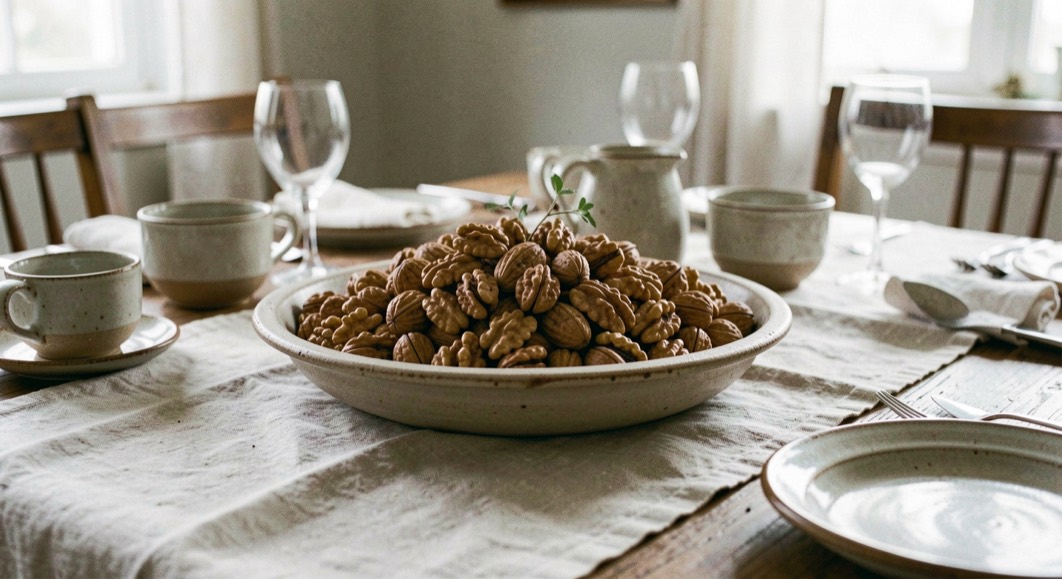
A centerpiece should leave room for people, plates and conversation. Low forms work well where sightlines matter; a taller vessel can anchor an entry or a sideboard. Measure the place before falling for the object.
Look at the negative space
The space inside a vessel is part of its character. A quiet rim and a visible foot can make a strong silhouette without ornament. Material notes in the species desk help explain why two similar forms can feel different.
Choose a finish you can live with
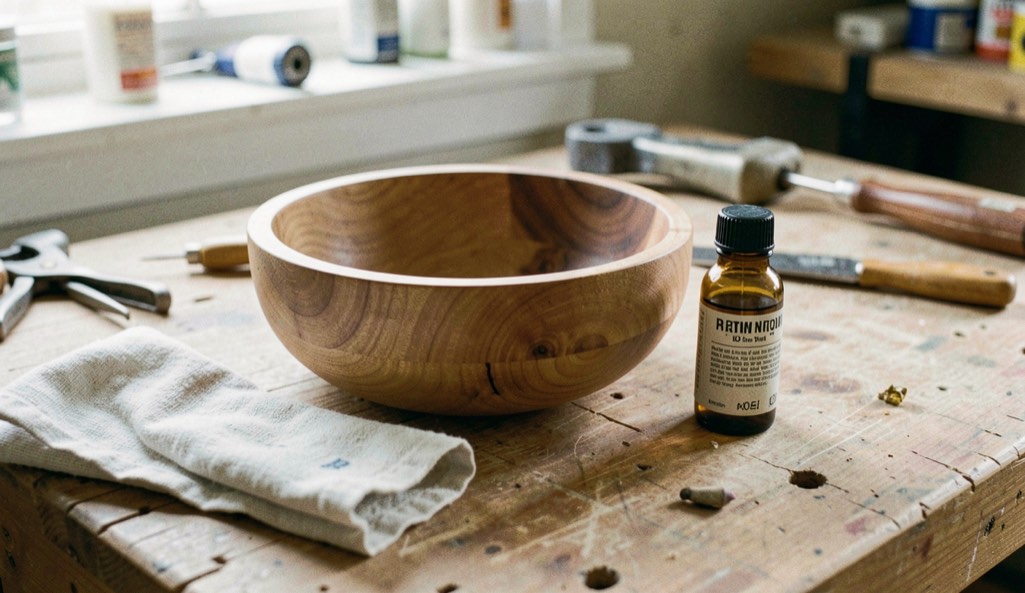
The best finish is the one that fits the care you will give. Read the finish guide and ask how the surface will age, not only how it looks on day one.
Measure the room before the object
A centerpiece has to share a table with plates, hands and sightlines. Measure the available length and height, then place a paper profile in the intended position. A low platter can keep conversation open; a taller vessel may work on a console where it does not block faces. The object’s foot should make sense on the surface beneath it. This is a design test, not a sales rule. A beautiful form that forces people to move it at every meal has been chosen for the photograph rather than the home.
Read silhouette and grain together
A strong silhouette can be quiet, but it should still show where the eye begins and ends. Look for a rim that resolves the curve, a foot that does not feel tacked on and grain that supports rather than fights the profile. Walnut can carry a dark, graphic shape; maple can make a restrained form feel bright; figured wood may need less ornament. Ask how the surface behaves under daylight and artificial light. The limitation is personal taste: a reference guide can explain material, not decide what belongs in your room.
Ask how it will be lived with
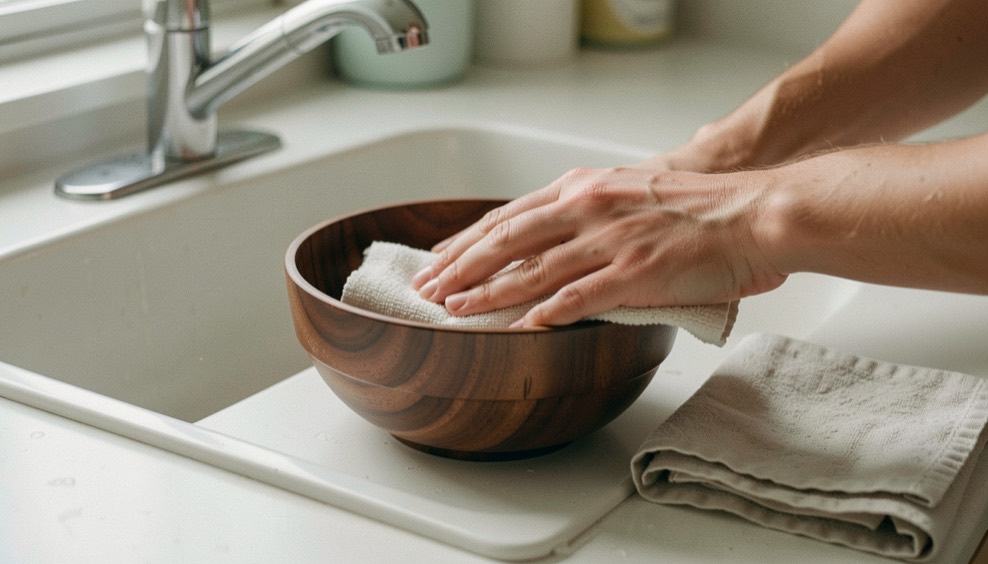
Check stability, lifting weight, underside finish and cleaning access. If a vessel will hold flowers, confirm whether water exposure is appropriate and whether a liner is required. If it is purely decorative, say so. For example, a wide cherry bowl with a satin surface may be a better dining choice than a tall, narrow vessel when children or frequent serving are part of the routine. A thoughtful maker or buyer can explain the species, finish and care in one clear paragraph.
Choose the quietest successful form
A centerpiece should not need a warning label to function in a room. Prefer a stable base, a readable profile and a surface that can be dusted without catching a cloth. Check whether the object competes with the grain of the table, and view it from seated height as well as standing height. A turned form can be visually strong without being large. If its best feature disappears under a runner or blocks conversation, choose another scale. The right decision respects both the maker’s labor and the owner’s ordinary routine.
Precise safety and material claims are grounded in the editorial methodology; workshop guidance is identified as practical synthesis.