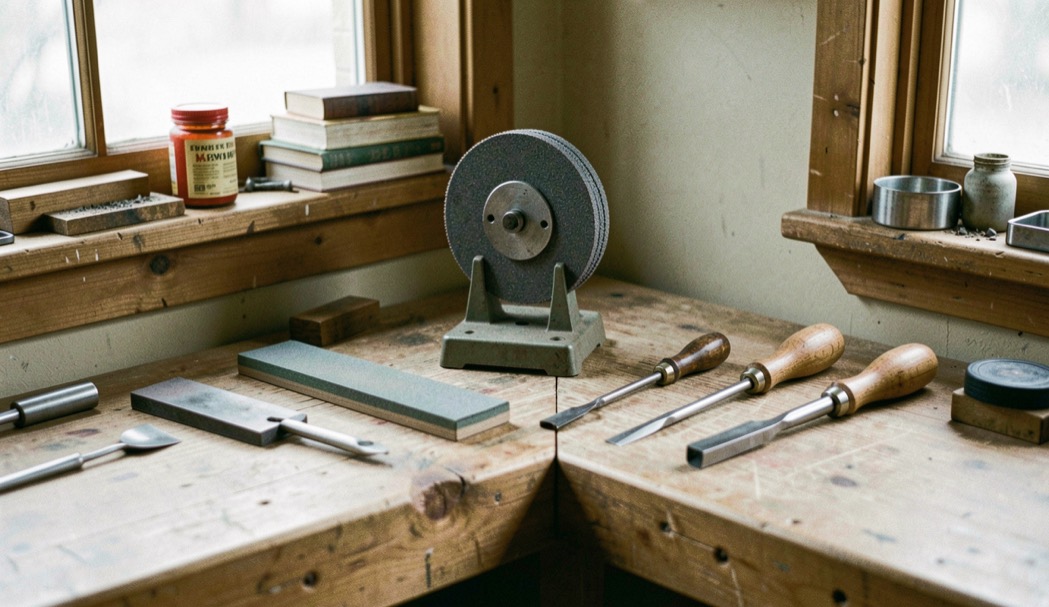
Lathe Features That Matter in Daily Work
Capacity, control and comfort make more difference than a crowded specification sheet.
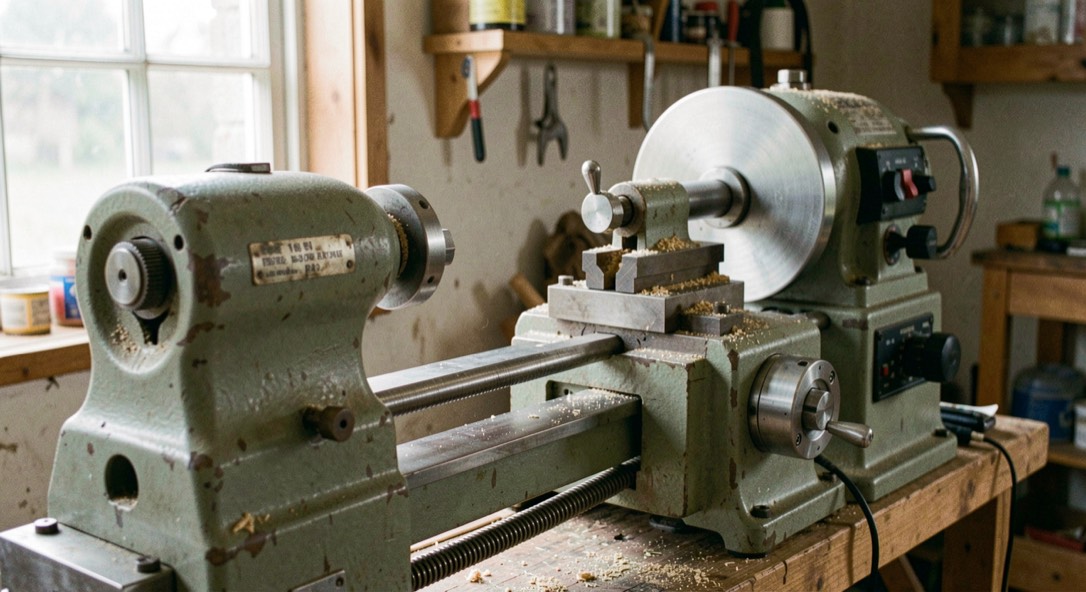
Capacity is a boundary
Swing and distance between centers define the useful envelope, but the published maximum is not always the comfortable working size. Leave clearance for a tool rest, hands and safe positioning.
Control is a habit
A broad speed range is useful when it is easy to adjust and observe. A solid banjo, smooth tailstock and accessible controls reduce the small interruptions that make a session feel tense.
Buy for the next project
Think through your next three forms rather than your imaginary final shop. The first lathe guide and safety checklist keep the purchase connected to practice.
Separate capacity from comfort
A lathe can advertise a large swing while leaving little room for the tool rest and the operator’s hands. Check the distance from bed to spindle center, the usable travel of the banjo and whether the rest can reach the inside of the form. A short, rigid rest is easier for small spindle work; a longer rest can support a bowl but may collide with the rim. Measure the largest actual blank, not the finished object, and leave margin for an unbalanced start.
Look at the interfaces
The spindle nose, taper, chuck compatibility and tailstock alignment determine how the rest of the shop connects to the lathe. A common error is buying an attractive tool before checking whether its shank fits the rest or whether the chuck jaws suit the tenon range. Controls should be readable without leaning over the spinning work. Test the banjo lock, tailstock quill and belt changes with power isolated. Smooth operation reduces distraction, but it does not remove the need to secure every blank and check the chuck key is removed.
A feature is useful only in context
A heavy machine may damp vibration but be impossible to move or level in a small room. A compact machine may suit a beginner until a wider bowl or longer spindle exposes its limits. For example, choose dependable low-speed control and a stiff rest before paying for a decorative display or an oversized motor you cannot use. Add the cost of stand, lighting, sharpening and dust control to the comparison. The best specification is the one that supports the next three forms while leaving a safe working envelope.
Compare ownership, not brochures
Ask how the machine will be moved, leveled, cleaned and repaired. A lathe with excellent specifications can become frustrating if the stand flexes, the controls are hidden or compatible accessories are unavailable locally. Visit a club or dealer and watch an operator change speed, lock the rest and measure a piece. That observation exposes ergonomic problems a photograph misses. Keep a reserve for lighting, dust collection and sharpening. A smaller machine that encourages regular, safe practice may deliver more useful work than a larger one that remains surrounded by unopened equipment.
Precise safety and material claims are grounded in the editorial methodology; workshop guidance is identified as practical synthesis.