Forge Work and Historic Iron, a Field Primer
A practical look at forge technique, anvil and fire choices, and the historic ironwork still standing in New York’s Hudson Valley and Capital District.
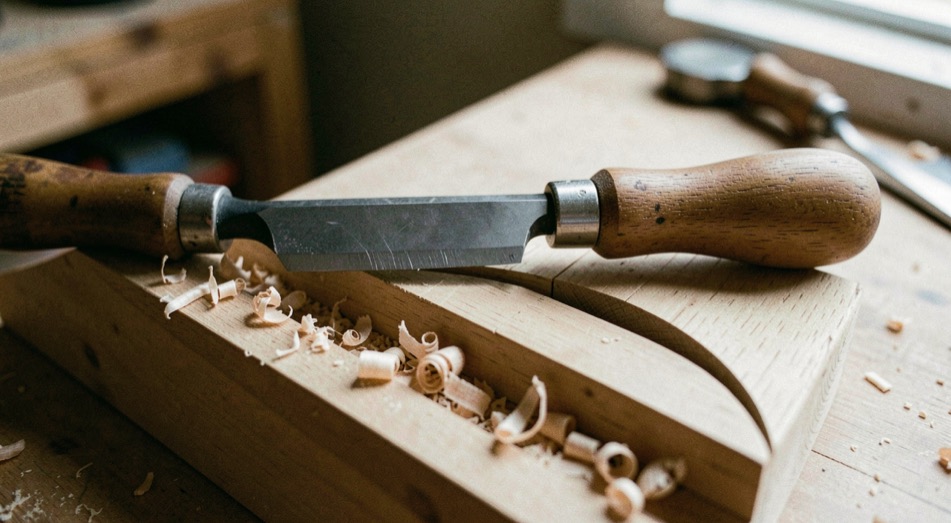
Forge work is the shaping of hot metal with hammer, anvil, and fire, and it rewards patience more than strength. A beginner learns four or five core motions, builds a coal or gas fire that suits the work, and reads the color of the steel before every blow. The same skills explain much of the ironwork still visible in older American cities, where foundries and forges left bridges, columns, grates, and armor plate behind.
What does a blacksmith actually do at the anvil?
The anvil is a mass of steel used as a forming surface, not a workbench. The horn tapers for bending curves, the face is flat for drawing and flattening, the step near the horn takes a chisel cut, and the hardy hole holds bottom tools. A smith stands close, keeps the hammer arm loose, and lets the anvil do the work of reflecting force back into the stock.
Four motions cover most of the craft. Drawing lengthens the stock under repeated blows, usually over the horn or the near edge of the face. Upsetting shortens and thickens it by driving the end back into the anvil. Bending uses the horn or a vise for controlled curves. Punching and drifting open a hole without drilling, and forge welding joins two pieces at a white heat with flux and a light, fast hammer.
Heat control matters as much as hammer control. Carbon steel moves through a color range that runs from a dull red near 1,300 degrees Fahrenheit to a bright yellow above 2,200. Working too cold cracks the steel. Working too hot burns the carbon out of it. A smith watches the color, not a clock.
Heat treatment comes after shaping. Annealing softens the piece for filing or drilling by heating it and cooling it slowly. Hardening, or quenching, heats the steel to its critical temperature and cools it fast in oil or water. Tempering follows, reheating to a lower temperature to trade some hardness for toughness. A spring, a chisel, and a knife each want a different temper, and the color of the oxide film on polished steel is the traditional guide.
Readers who want this written out in more detail, with the local vocabulary of the trade, can follow the work at the forge and ironwork journal, which keeps its notes in plain language for beginners.
How do you choose an anvil and build a fire?
An anvil is bought by weight, rebound, and ring. A working anvil for general forging runs between 100 and 200 pounds, heavy enough to resist bouncing under the hammer. A light anvil walks across the floor and wastes effort. Test rebound by dropping a ball bearing or a hammer head from a foot above the face: a good anvil returns most of the drop. A clear ring suggests sound steel, though a dull thud can also mean a soft or damaged face.
Condition beats pedigree. A worn anvil with a swayed face and chipped edges still forges metal. A cracked or delaminated one does not. Look at the edges, the heel, and the hardy hole before paying for weight.
Fire building depends on fuel. A coal fire starts with kindling and a small wood fire, then green coal is banked around it and coked by the heat. Coke burns cleaner and hotter with less smoke. A gas forge uses a refractory-lined chamber and a burner, reaches temperature in minutes, and suits small work and indoor shops where coal smoke is a problem. Each fuel has a different rhythm, and the fire is shaped with a rake or a shovel as the work moves.
Tongs are fitted to the stock, not to the hand. A smith owns several pairs because a 1/4-inch square bar and a 1-inch round bar need different jaws. The reins should close under a light grip, and the jaws should hold the work flat against the anvil without wobbling. A loose grip wastes heat and invites a dropped piece.
Where can you still see historic ironwork in the Hudson Valley?
The Capital District and the upper Hudson Valley hold some of the best surviving industrial iron in the northeastern United States. The Burden Iron Works in Troy produced horseshoes and railroad iron in the nineteenth century, and its site remains a landmark of the region’s water-powered industry. The Watervliet Arsenal includes a cast-iron building from the nineteenth century, an early example of iron used as a structural frame rather than as ornament.
The ironclad Monitor, built at Rensselaer, changed naval construction in a single year. Its turret and hull plate were rolled and shaped by the same industrial capacity that made the region a center of iron production. In Albany, the Paley grilles at the State Capitol show decorative cast iron at architectural scale, and the Ross Valve foundry in Troy continued the city’s metalworking tradition into the modern era.
These sites are not museum pieces alone. They are records of technique. The same drawing, bending, and joining that a smith practices at a small forge appear at industrial scale in the columns, grates, and plates still standing along the river.
What should a beginner practice first?
Start with square stock and a simple point. Drawing a taper teaches hammer control, heat reading, and the habit of turning the work a quarter turn between blows. From there, a hook, a scroll, and a simple leaf cover bending and shouldering. A punch and drift exercise teaches hole work without a drill press.
Keep a fire that is small and clean. A large fire wastes fuel and burns the work. Work at the anvil, not in the fire, and return the steel to the heat only when it stops moving under the hammer. Beginners often overheat and under-hammer, which produces a piece that looks forged but has no shape.
Safety is simple and non-negotiable. Wear eye protection, use tongs that fit, keep water or a quench bucket within reach, and never leave a fire unattended. Leather gloves help with hot stock but reduce feel, so many smiths wear one on the tong hand only.
How does forge work connect to woodturning?
A woodturner and a blacksmith share more than a shop. Both read material, both sharpen constantly, and both depend on a tool rest or an anvil that does not move. A turner who makes a gouge handle, a steady rest, or a custom ferrule is doing light forge work, and a smith who makes a chisel or a drawknife is doing the reverse.
The overlap is practical. A forged ferrule holds a handle better than a glued one. A forged hook or a bent bar solves a holding problem at the lathe. Learning to heat, bend, and quench a small piece of carbon steel opens a set of shop fixes that no catalog covers.
For a turner, the useful entry point is small: a punch, a center finder, a bent scraper, or a hold-down. Each one teaches heat color, hammer angle, and the difference between a soft and a hard piece of steel. The skills transfer back to the lathe in the form of tools that fit the hand and the work.
What is the shortest path into the craft?
Find a local group, take one class, and buy less than you think you need. A small gas forge, a 100-pound anvil, a few pairs of tongs, a hammer, and a vise will carry a beginner for a year. Read about the technique before spending on tools, and visit the surviving ironwork in the region to see what the craft looks like at full scale.
The rest is repetition. Heat, hit, turn, and look. The metal tells the smith what it needs, and the fire is only a way of asking.
Precise safety and material claims are grounded in the editorial methodology; workshop guidance is identified as practical synthesis.