Choosing a Wood Finish by Use and Feel
Color is only one outcome. Cure, repair, touch and care belong in the decision too.
Ask what the object does
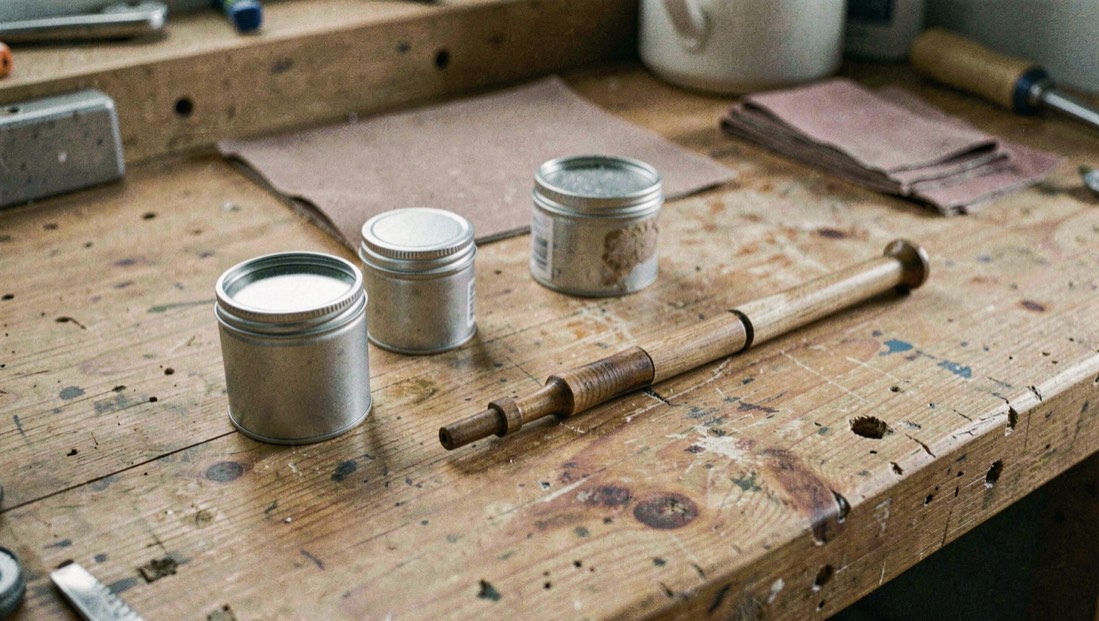
A handle, bowl, ornament and architectural spindle each need a different conversation about wear and touch. Write the use down before comparing sheen.
Test on the same species
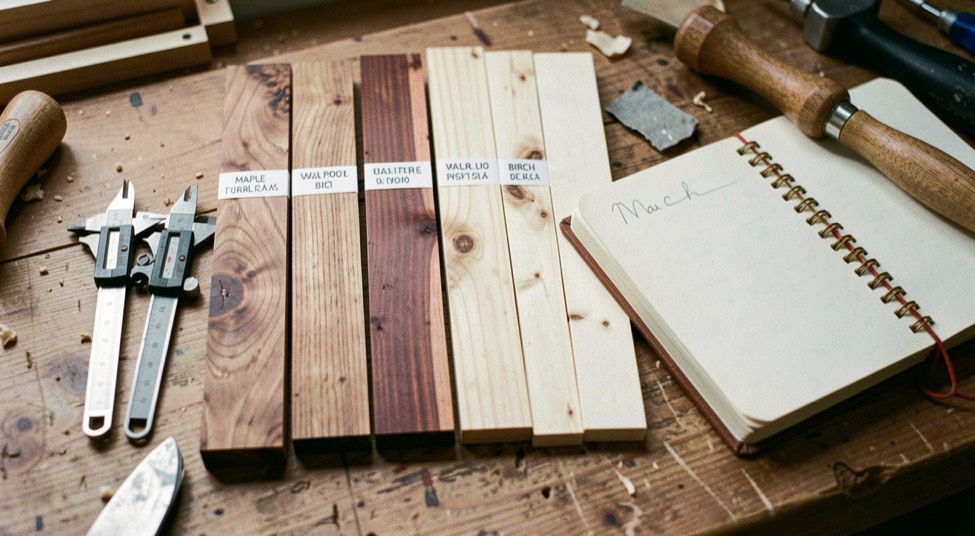
A finish can change color and feel depending on the wood and the preparation. Keep a test strip from the project, apply thinly, and allow the stated cure time. The species index records finish considerations for common regional woods.
Finish is part of the story
A good surface protects without hiding the choices made at the lathe. Read the bowl finish guide when food contact is involved, and keep the product instructions with the object.
Match surface to the object
A spindle handled every day, a dry decorative bowl and a small box lid need different priorities. Write down expected touch, water exposure, desired sheen, repair tolerance and cure environment before comparing products. A penetrating finish may keep a tactile grain, while a film finish can provide a more continuous barrier, but each has product-specific limits. The word natural does not explain solvent, durability or food-contact suitability. Treat the label and technical sheet as the authority for the exact product.
Run a fair test
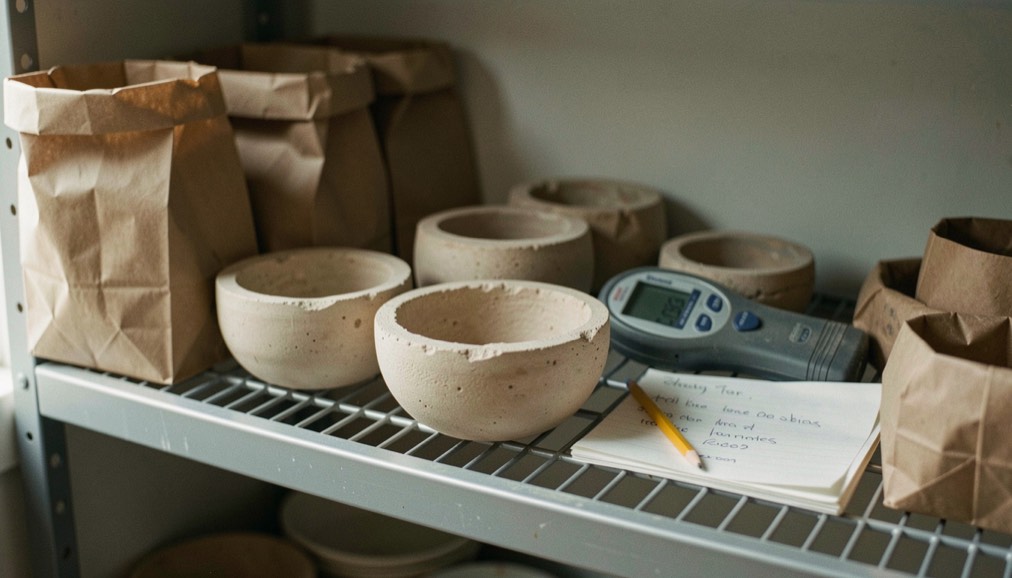
Cut a sample from the same species, prepare it with the same final surface and apply the finish in the same room where the object will cure. Record coat weight or approximate coverage, drying time, sheen and touch after full cure. Open pores, end grain and figured areas may accept the finish differently. Keep ventilation, gloves, rags and disposal instructions in view because finishing creates hazards away from the lathe. A test on unrelated pine can produce a misleading color and feel.
Plan future repair
Ask whether the owner can clean, refresh or repair the surface without stripping the entire piece. A high gloss may reveal every mark; a matte oil may be easier to renew but offer a different barrier. For example, a walnut handle can benefit from a durable, touch-friendly finish, while a display bowl may prioritize color and a quiet sheen. State what the finish cannot do: it will not stop movement in unstable wood, correct a torn surface or make an unsuitable object safe for food.
Keep the product boundary visible
A finish recommendation should name its assumptions: species, surface preparation, intended use, application conditions and cleaning routine. If any of those change, repeat the test instead of transferring the result by analogy. Store oily rags and solvent materials according to the product instructions, and keep ventilation active during cure. A maker who gives a beautiful sheen but no care note has left the hardest decision to the owner. The finish is complete only when its benefits, maintenance and failure modes are understandable to the person who will live with the object.
Precise safety and material claims are grounded in the editorial methodology; workshop guidance is identified as practical synthesis.